
Understanding composition is an incredibly important skill in photography. Composition subtly tells someone how to view your photo, what to focus on, and what to ponder. By learning the art of composition, you become a better photographer & storyteller. To help you on your way, this blog talks about a few of the favourite basic composition rules used by photographers.
Content
1. The Rule of thirds
2. Use leading lines
3. Frame your subject
4. Negative space
5. Conclusion
The rule of thirds
The rule of thirds is probably one of the most talked about and used composition rules in photography. This has its reasons, but the most prominent one is: it’s easy to apply while photographing.
The rule of thirds is simple; imagine dividing your photo into thirds both horizontally and vertically. This effectively gives you 4 guidelines and 9 parts. By placing the key element in your photo on one of these lines instead of centralising it, you’ll end up with more interesting compositions.
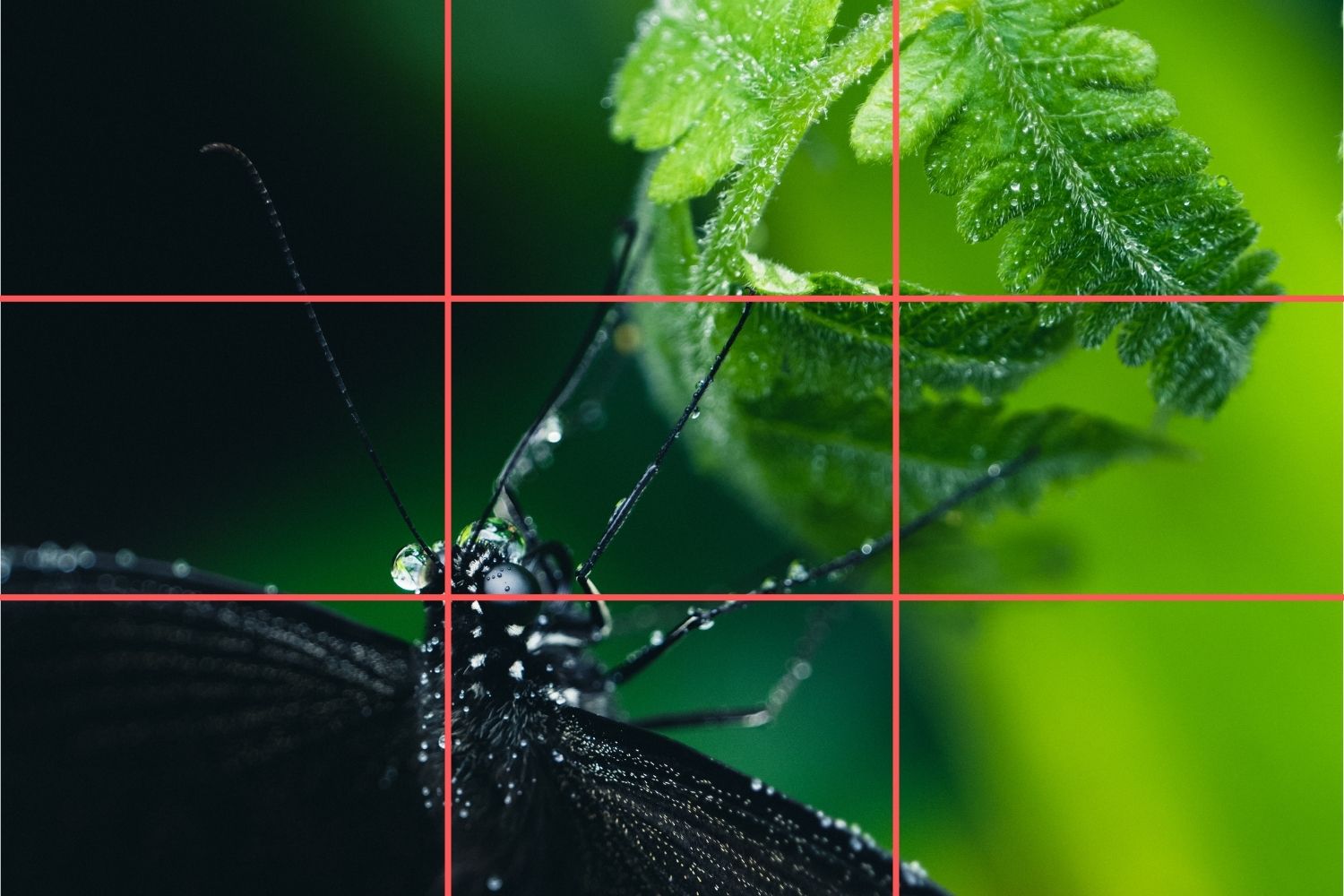
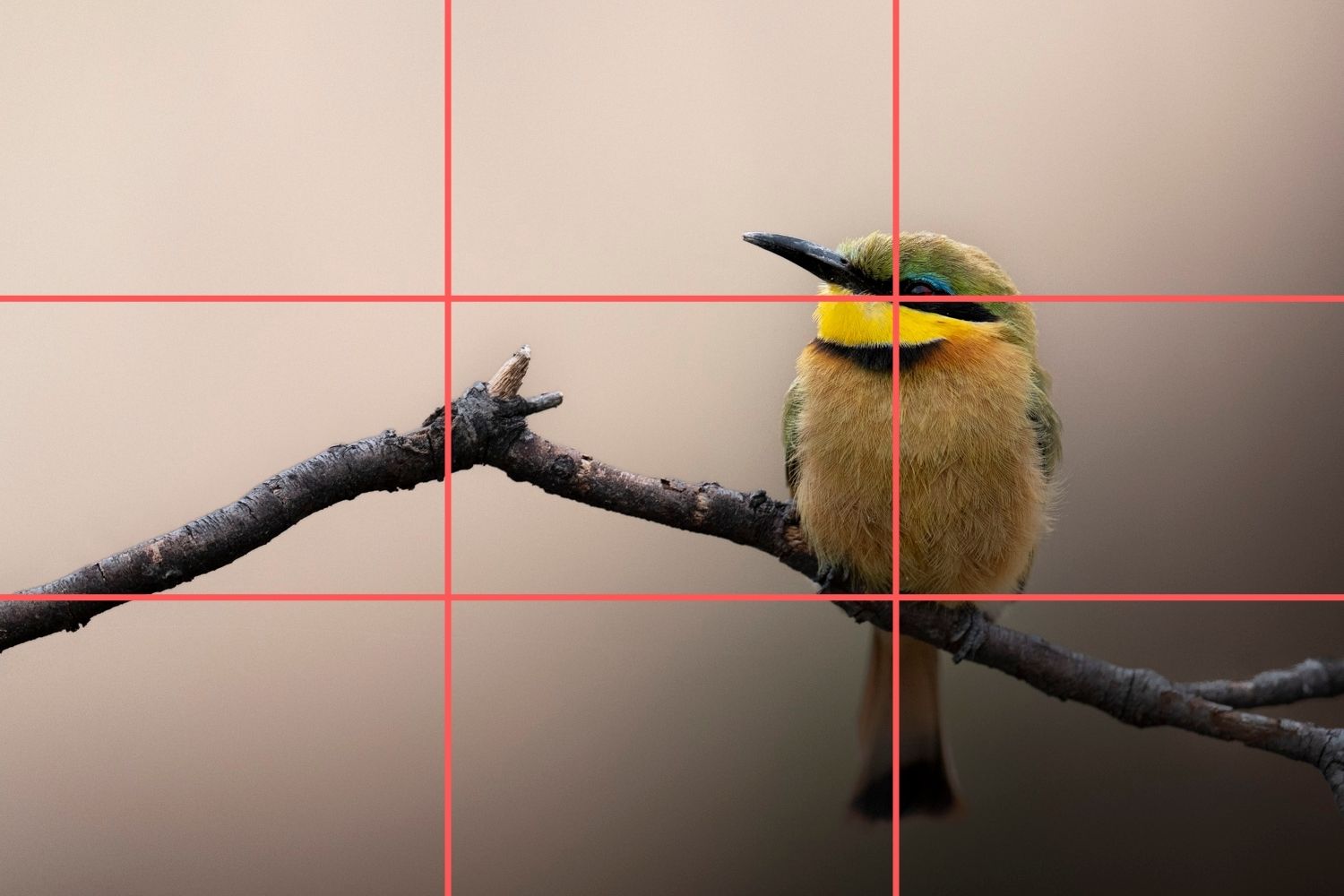
When your key element is a person or an animal, it is important to keep the open space in the direction they are turned to or looking. This gives your subject space to breathe in the frame and leaves room for the imagination of the viewer. It can raise questions about what your subject is looking at, why they’re positioned a certain way, and why they’re staring into the distance.
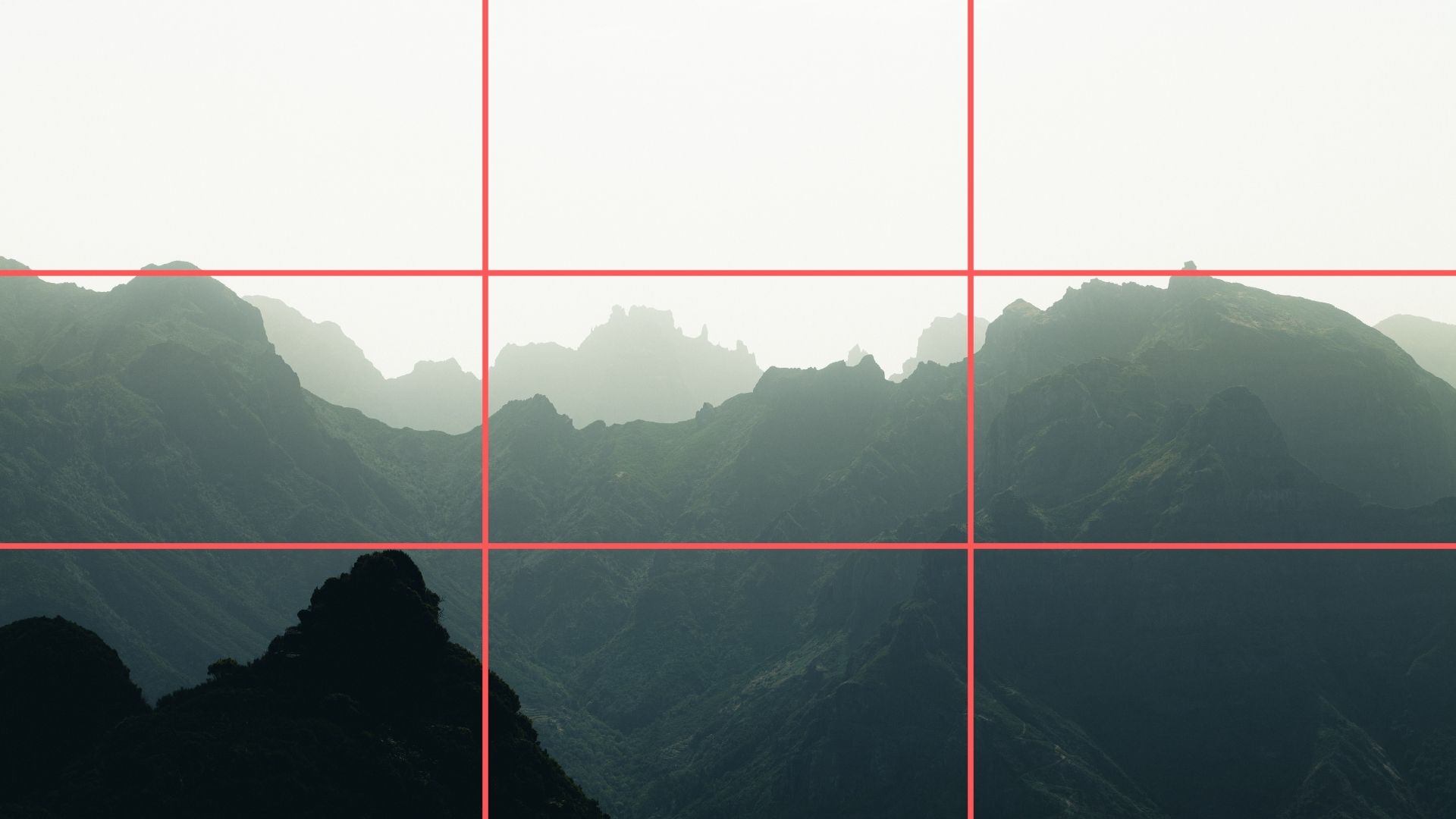
You can also use this composition rule when there is no prominent subject, for example, in wide landscapes. Here, the rule will work slightly differently; because there is no clear subject, you will divide the landscape into thirds instead. In the photo below, I divided Madeira’s mountainous landscape into 3 distinct fields: the sky, the mountains in the background, and the hill in the foreground. By placing each of these elements on one of the horizontal lines, I created harmony. Because of the versatility and ease of use of this rule, it’s commonly used by beginner and intermediate photographers alike.
Use leading lines
What this composition trick entails is clear from its name: it uses lines within your photo to lead the eye through the photo to the subject.
Leading lines can either be very distinct or incredibly subtle. Sometimes you may not even notice their presence, but they’re there to guide your eye to the subject. This composition requires a bit more creativity from you, as you must look for lines that you can utilise before setting up your shot.

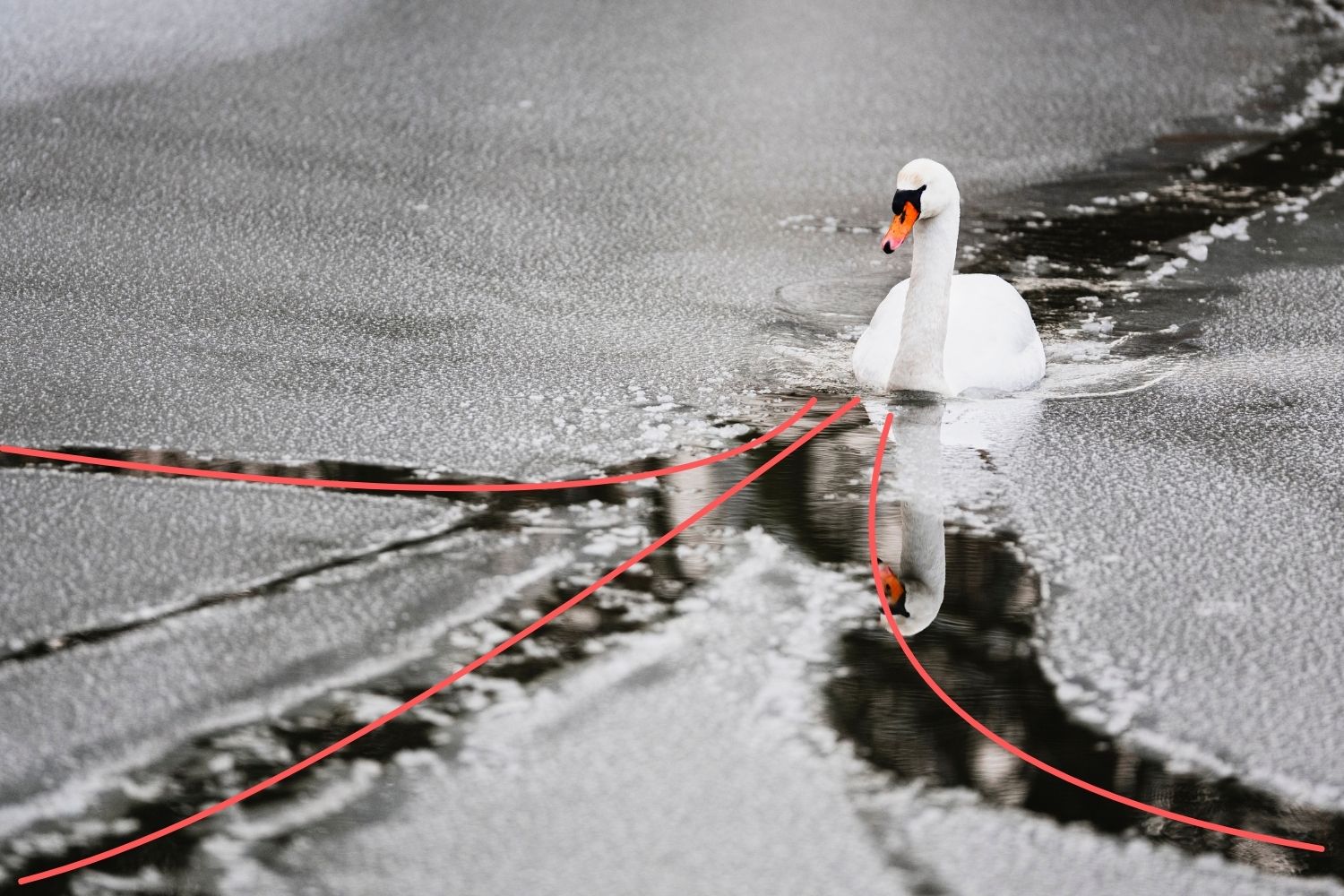
Leading lines work best when they lead the viewer to the key element of your photo, whether that is a person or a tree in the landscape. However, leading lines can also be used as the focal point of your photo. This is done best when the lines are very distinct, whether they’re shadows or the railing of a bridge.
Frame you subject
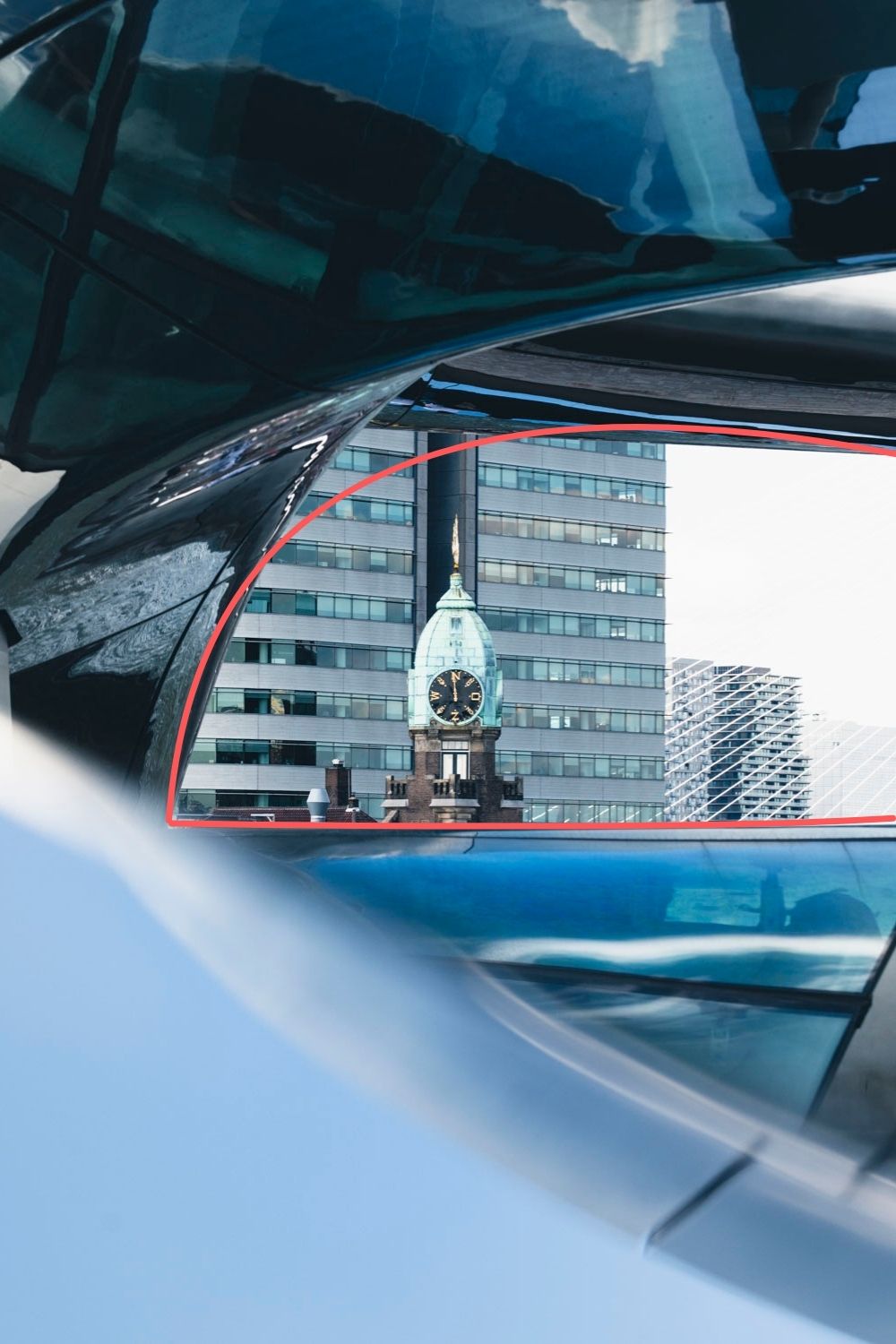
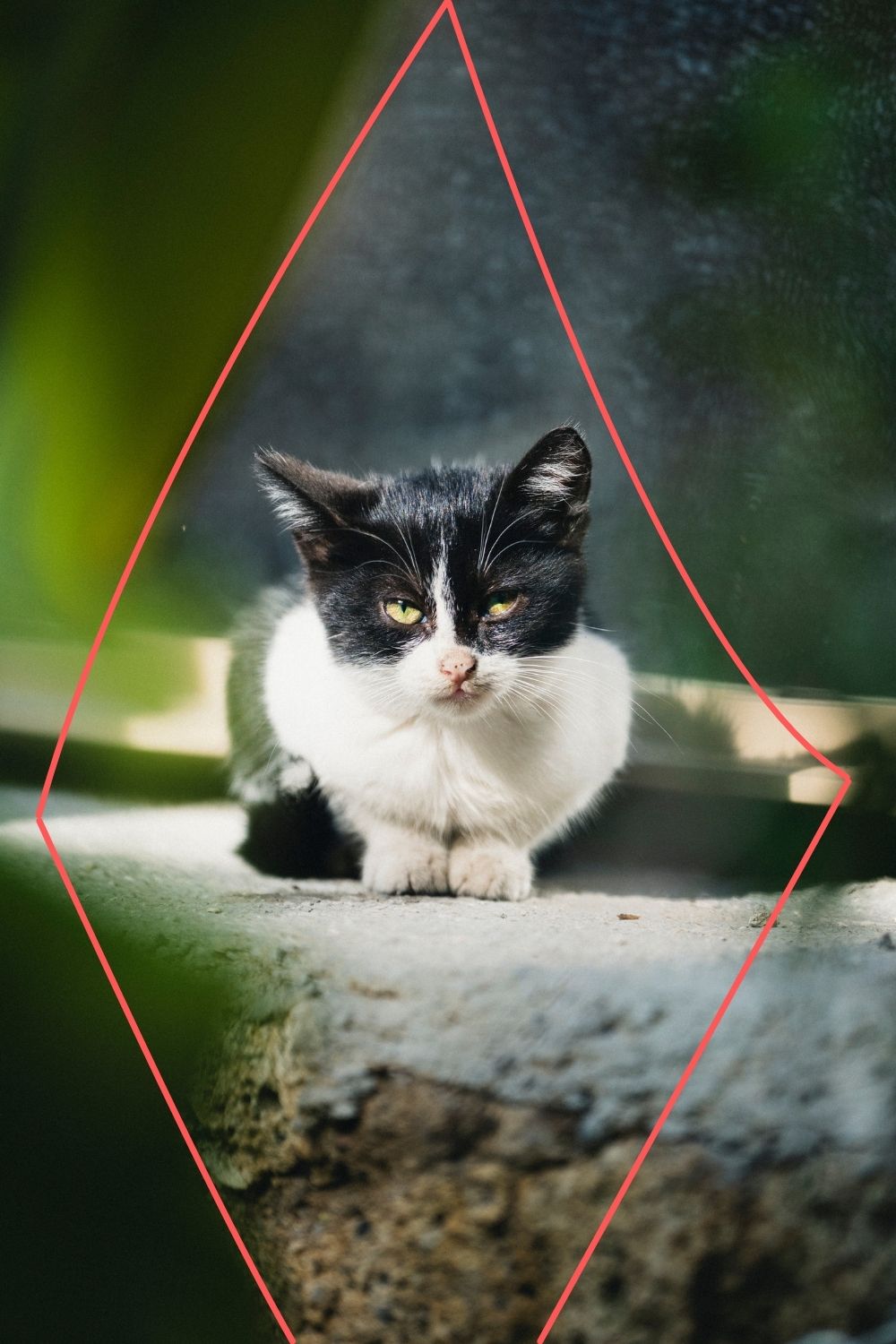
This may be my favourite way to create interest within my photos. In this, you create a frame within your frame with the use of a doorframe, foliage, or the hands of your model.
Using a frame within a frame has 3 main intentions:
1. Giving your picture context.
2. Giving the image depth.
3. Guiding the eye of the viewer toward the main subject.
Another reason to use a frame within a frame is to add interest to an otherwise boring photo.
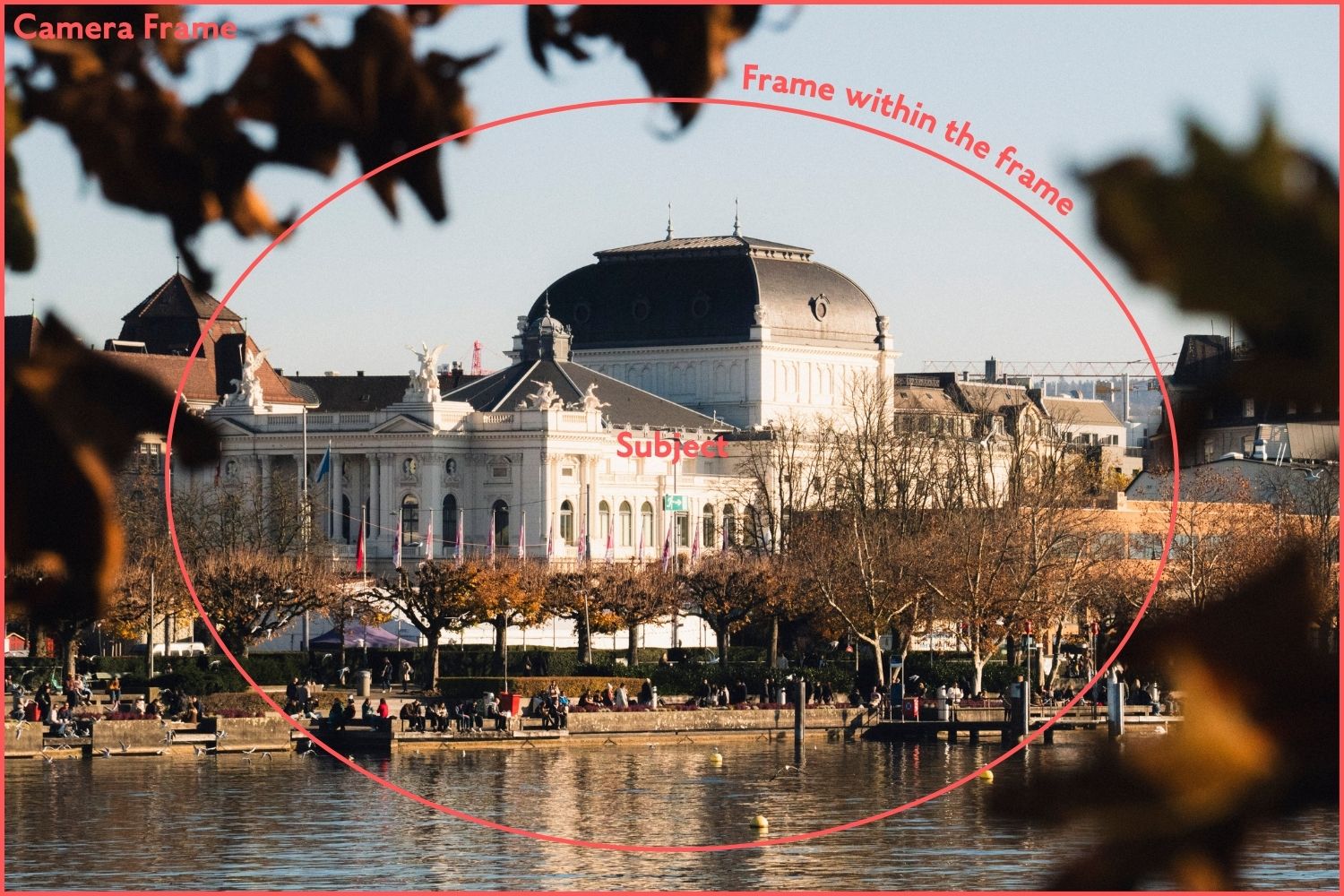
Frames can be either natural (e.g. well-positioned rocks and foliage) or man-made (e.g. window and doorframes). By framing your key element well, you will create a sense of balance in your photos.

Negative space
Negative space is a term used in many creative fields. It is the element that determines how much space there is for your eye to move freely around your subject. It can be entirely smooth and white, like an overcast sky, but it doesn’t have to be exempt from detail at all. Negative space can be textured and/or coloured. By eliminating distractions in the scene, you give the viewer a chance to connect with your subject.
To make use of negative space, you must isolate your subject. You can do this by moving around your subject, getting lower to the ground, or shooting upward to the sky to change your perspective. If changing your perspective doesn’t achieve negative space, you can use a shallow depth of field to separate your subject from the background.


The openness of negative space is supposed to give your subject room to breathe, but you need to find a balance in it so you don’t drown your subject in space.
Conclusion
Mastering composition is the foundation of creating great photos. By understanding these different composition techniques and knowing when (and how) to apply them, you can transform snapshots into striking photos. Each of these tricks helps guide the viewer’s eye and create a sense of harmony, making your photos more engaging and memorable. The true magic happens when you combine these simple tricks; using the rule of thirds to place your subject off-centre while incorporating leading lines naturally guides the viewer’s eye through the frame, creating dynamic and engaging images that resonate with your viewer.
Photography is, above all, a creative outlet; knowing the basics helps you look at the world differently and experiment with new perspectives.

0 Comments